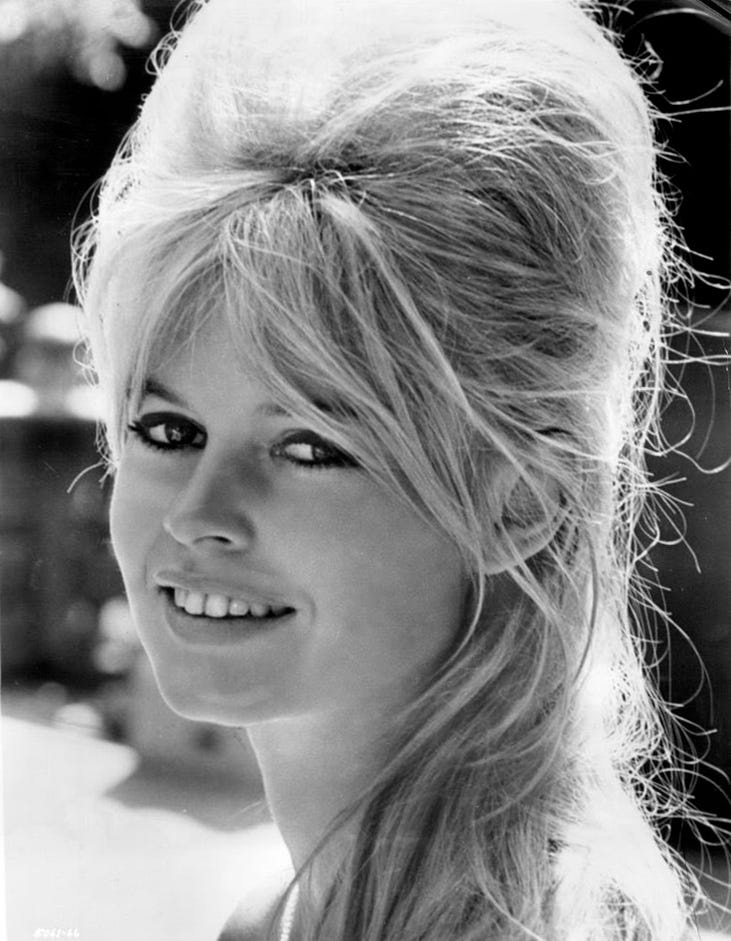
The recent death of Brigitte Bardot (28 September 1934 – 28 December 2025) invites us to review her impact on the world. While she is remembered as a film icon, her legacy is also defined by her militant animal rights activism. It is impossible to discuss Bardot without discussing her campaigns against the seal hunt and the devastating impact this had on the Inuit people. To understand this damage, we must look beyond Bardot as an individual. We must examine the larger systems of Western imperialism and capitalism she represented.
To do this, we can turn to the work of Julia V. Emberley. Her book The Cultural Politics of Fur provides the necessary tools to analyze this history. Emberley helps us see how anti-fur activism functioned as a mechanism of displacement. This mechanism targeted women and indigenous cultures while leaving the industrial engines of exploitation intact.
The Scapegoating Mechanism
Bardot became the face of the anti-fur movement in the 1970s and 80s. The images of her with whitecoat seal pups were powerful. However, Emberley urges us to look at the strategies behind these campaigns. She identifies a “scapegoating mechanism” at the center of anti-fur rhetoric.
The movement relied on shaming the consumer rather than the producer. Slogans like Greenpeace’s famous “It takes up to 40 dumb animals to make a fur coat, but only one to wear it” were typical of this tactic. As Emberley points out, such rhetoric collapsed the identity of the “dumb animal” with the “dumb blonde” woman wearing the coat.
This approach did not attack the male-dominated industries that profited from the trade. It did not attack the capitalist structures that turned nature into a commodity. Instead, it displaced the guilt onto the female consumer. This effectively blamed women for the cruelty of the industry.
Imperialism on the Ice
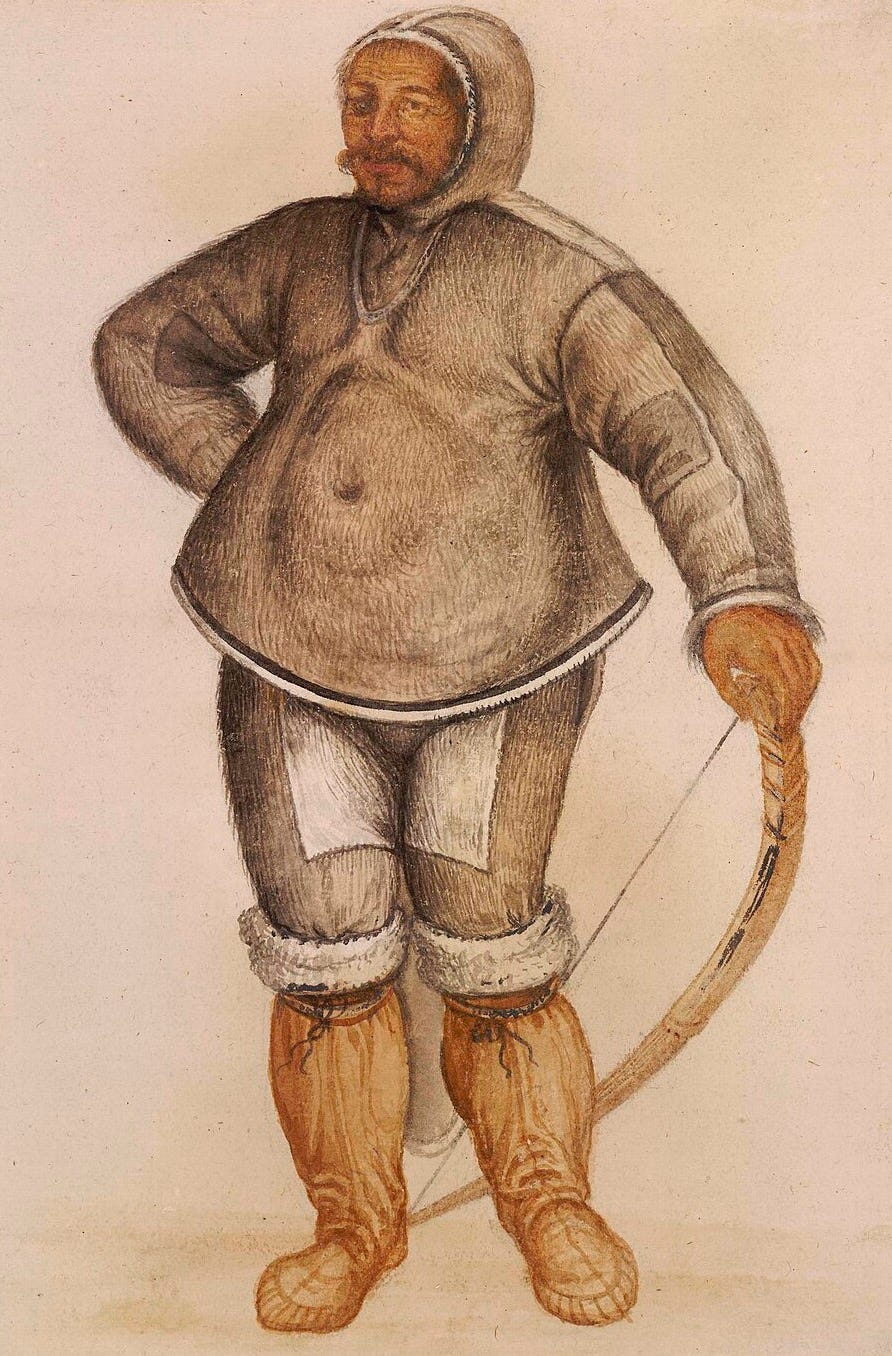
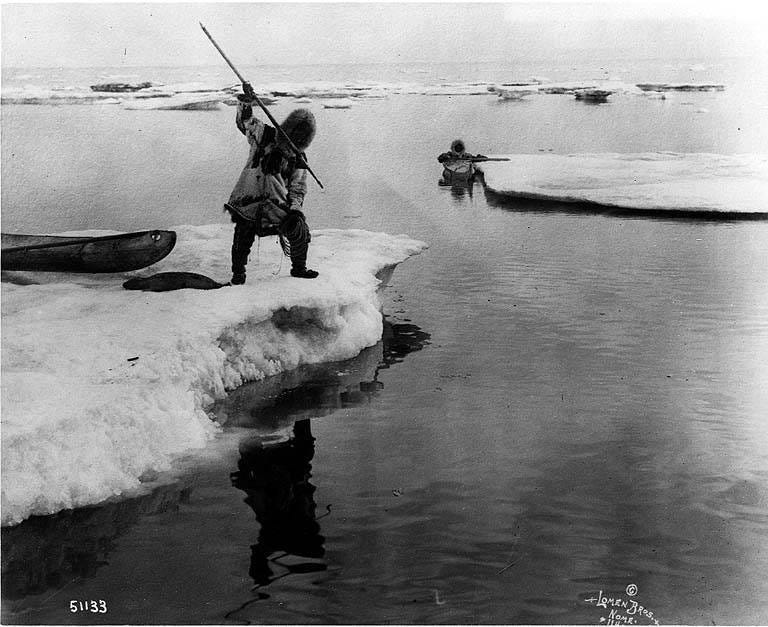
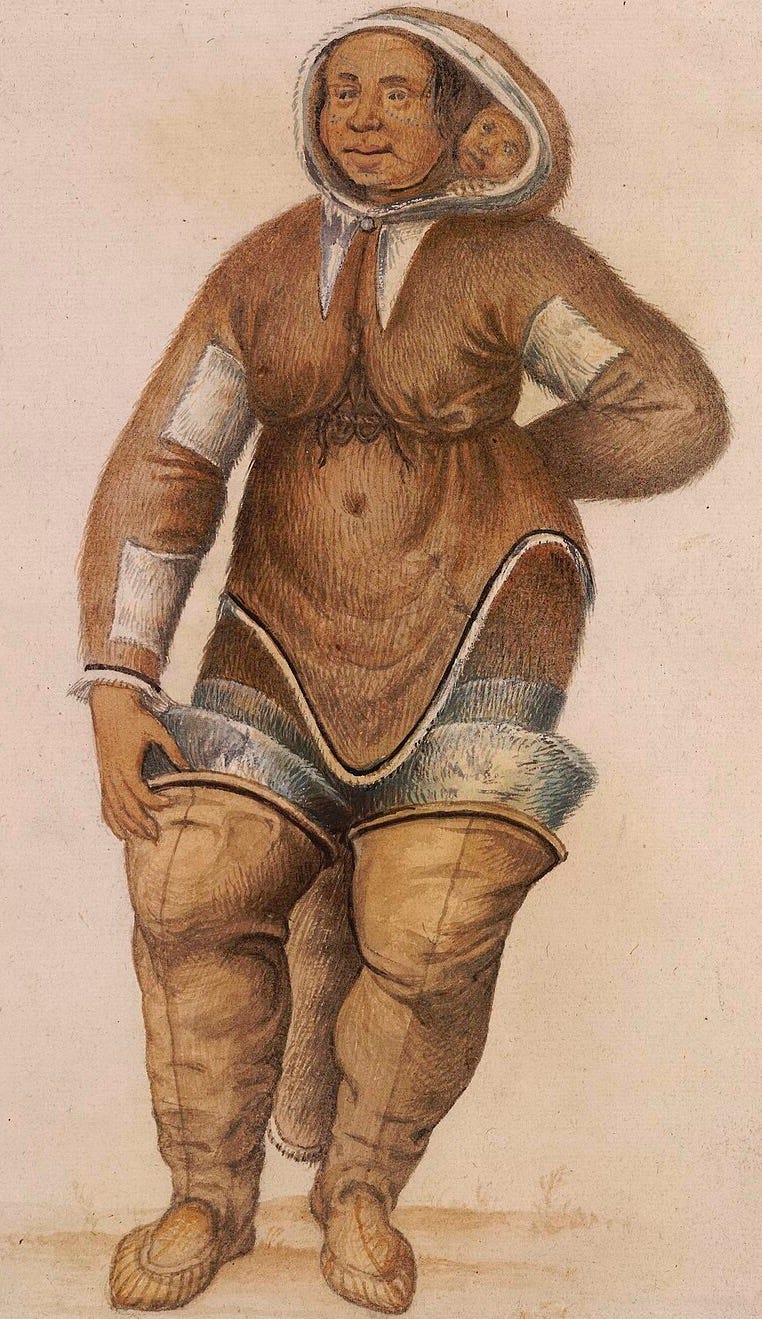
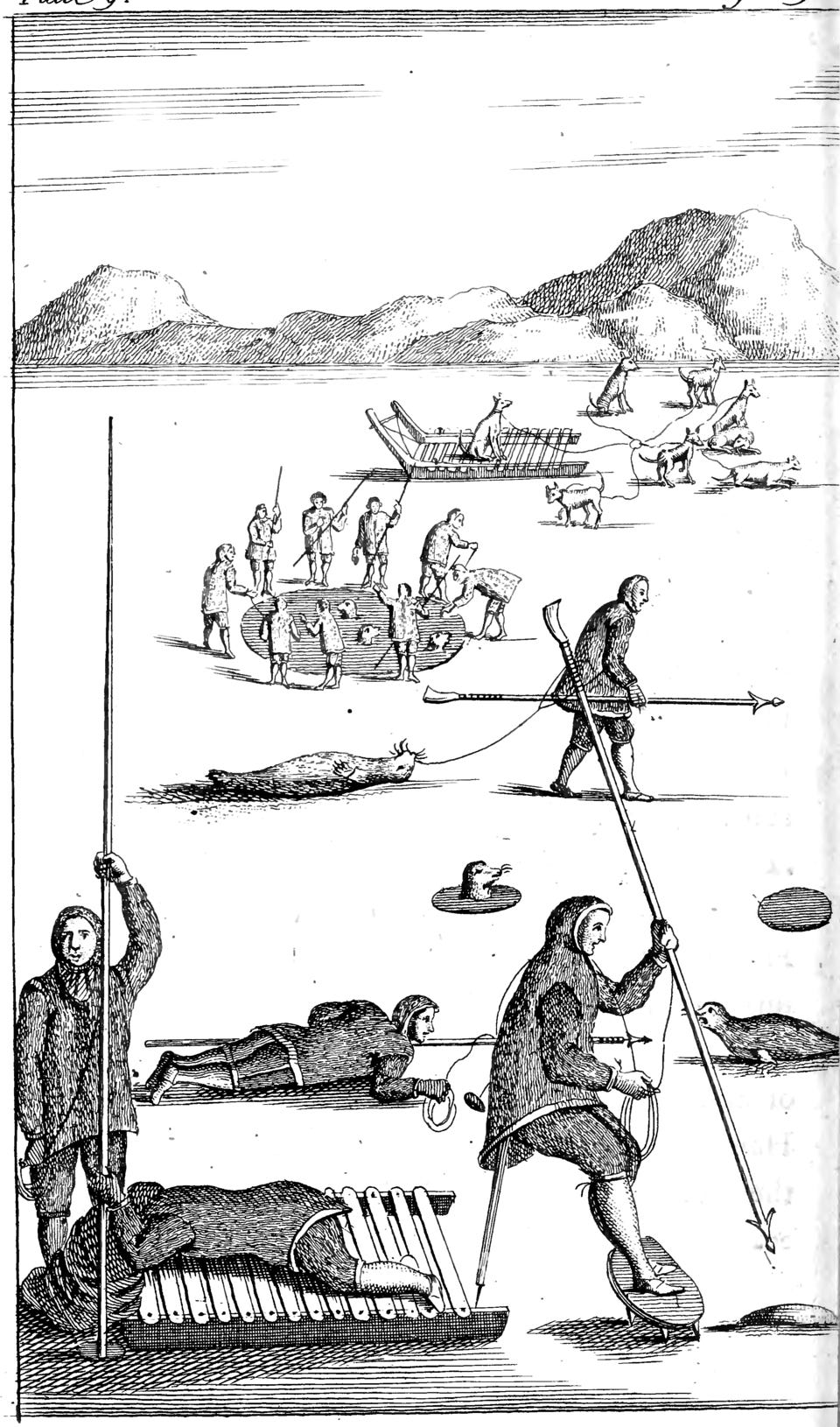
Bardot utilized her status as a sex symbol to shame other women. She participated in a discourse that Emberley describes as misogynistic because it distracted from the structural reality of the trade. This displacement of blame had severe consequences for the Inuit. When activists targeted the seal hunt, they were not merely attacking a commercial industry. They were attacking a subsistence economy and a distinct way of life.
The ban on seal products collapsed the market. This reveals the role of Western imperialism. The anti-fur movement imposed a Western, urban morality onto Indigenous peoples. As Joanne Entwistle notes in The Fashioned Body, the history of the fashion industry and the consumption of goods is linked to colonial exploitation. This history often resulted in devastating effects on indigenous populations.
The “cultural politics of fur,” as Emberley frames it, is about power. It is about who gets to define what is cruel and what is natural. Activists like Bardot engaged in cultural imperialism by projecting a Western fantasy of nature onto the Inuit homeland. They valued the animal as a symbol more than the human populations living within that ecosystem.
Don’t Blame the Player, Blame the Game
It is easy to criticize Bardot today. However, in the context of the fur trade, she was a player in a larger game. Emberley’s analysis helps us see that shaming women was a distraction. It relied on the idea that female vanity is the root of environmental evil.
The "scapegoating" logic becomes undeniable when we look at the specific rhetoric of the time. In 1984, a famous anti-fur slogan declared: "It takes up to 40 dumb animals to make a fur coat, but only one to wear it". This explicitly collapsed the identity of the slaughtered animal with the woman wearing it, blaming her vanity for the cruelty. A piece of graffiti scrawled in response offered a biting correction to this misogyny: "MEN kill animals... MEN make the profits... and MEN make sexist adverts! Who needs enemies with friends like Greenpeace?". The industry was driven by patriarchal capitalism, yet the solution presented by the media was to shame the female wearer and starve the Indigenous hunter.
The legacy of this activism teaches us how not to fight capitalism. The movement attacked the visible surface of the trade, which included the coat, the wearer, and the hunter. By doing so, it destroyed Indigenous livelihoods while leaving the logic of exploitation untouched.
The tragedy of the Inuit in this saga is a direct result of a cultural politics that prioritized Western sentimentality over Indigenous sovereignty. As we remember the era of Bardot, we should not just remember the beauty and the seals. We must remember the mechanisms of scapegoating and the imperialist arrogance that allowed the West to dictate the terms of survival to the North. The fur trade changed, but the colonial dynamics remain.