“I never understood wind. You know, I know windmills very well. They’re noisy. They kill the birds. You want to see a bird graveyard? You just go. Take a look... They kill all the birds.” — Donald Trump

While we might roll our eyes at modern politicians who feign heartache over wildlife solely to attack renewable energy, we have largely failed to notice how a similar moral panic was engineered in the Victorian era to brand women as too cruel and irrational for the ballot box.
When Donald Trump laments the fate of birds to attack wind energy, his sudden conservationist streak is transparent to most. It is easily detectable as “fake concern”—a rhetorical shield used to attack a political target (in this case, renewable energy) rather than a genuine plea for avian welfare. We see it for what it is: a strategy.
But there is a similar campaign from history that has largely fooled us until today. It wasn’t about windmills, but about women’s hats. And the target wasn’t green energy, but the women’s vote.
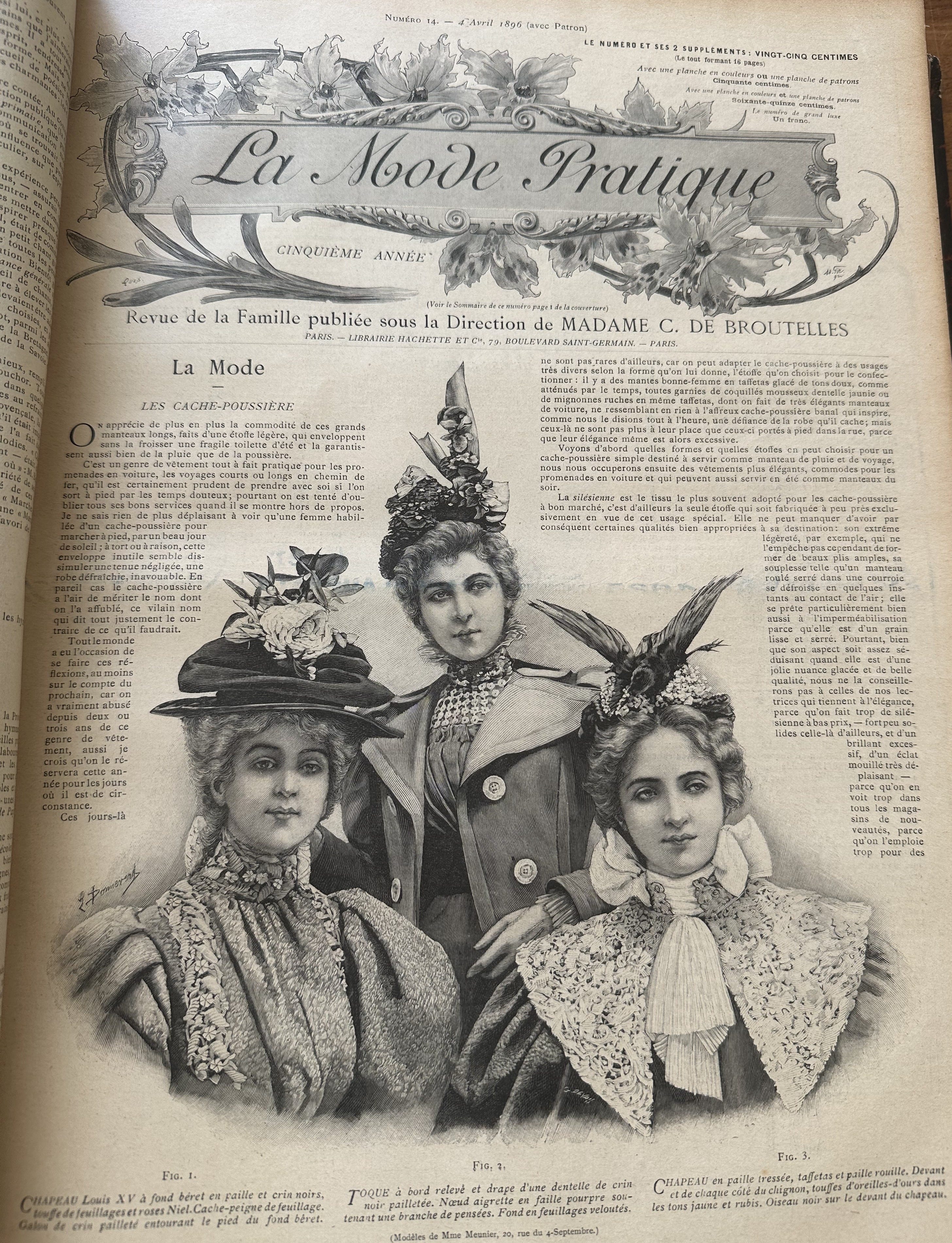
In the late 19th century, a moral panic erupted over “murderous millinery”—the fashion of wearing taxidermied birds on hats. While the death of millions of birds was a genuine ecological tragedy, the public outrage was weaponized in a way that had little to do with conservation. It was used to paint women as cruel, irrational “savages” who could not be trusted with the ballot.
The “Savage” in Silk
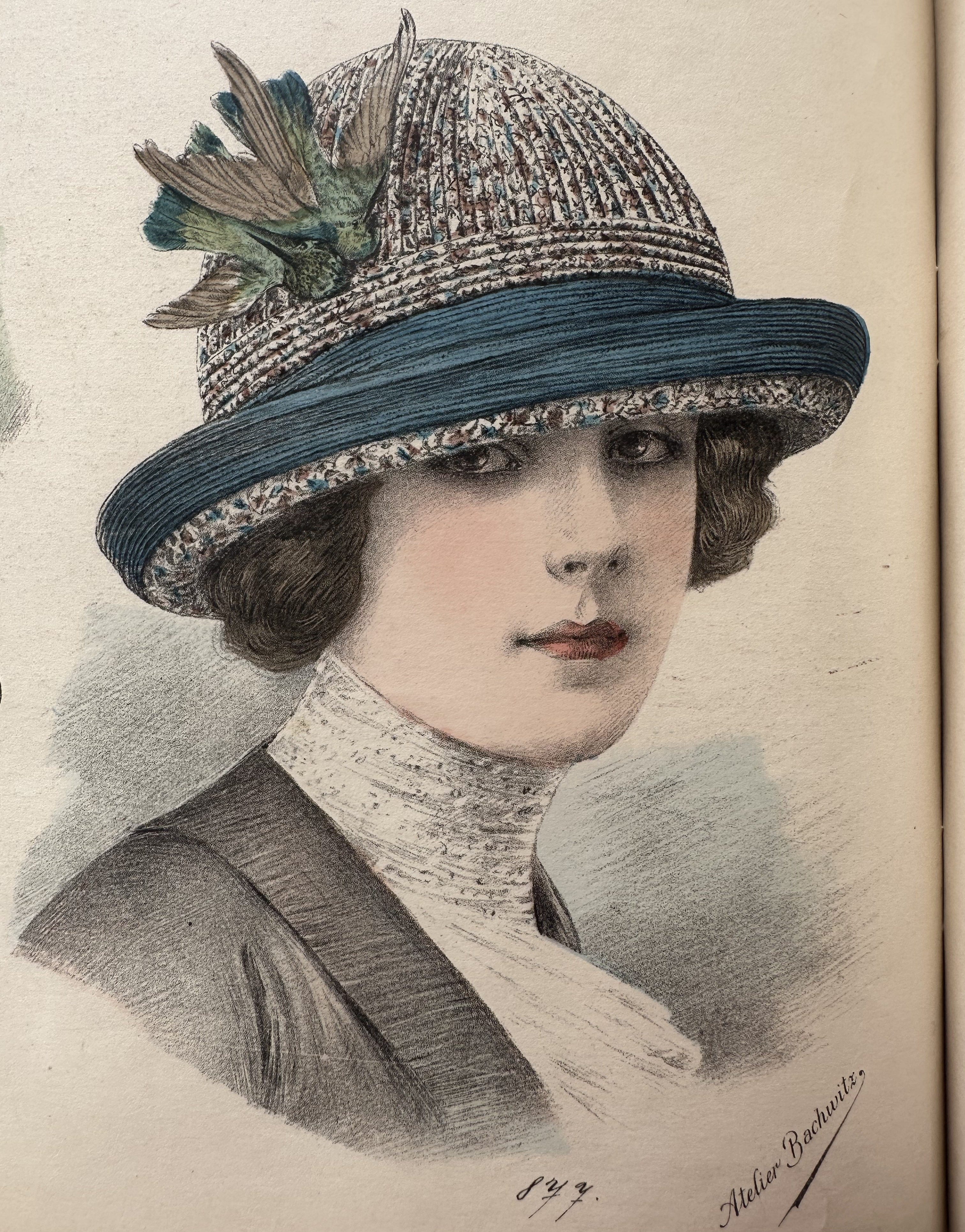
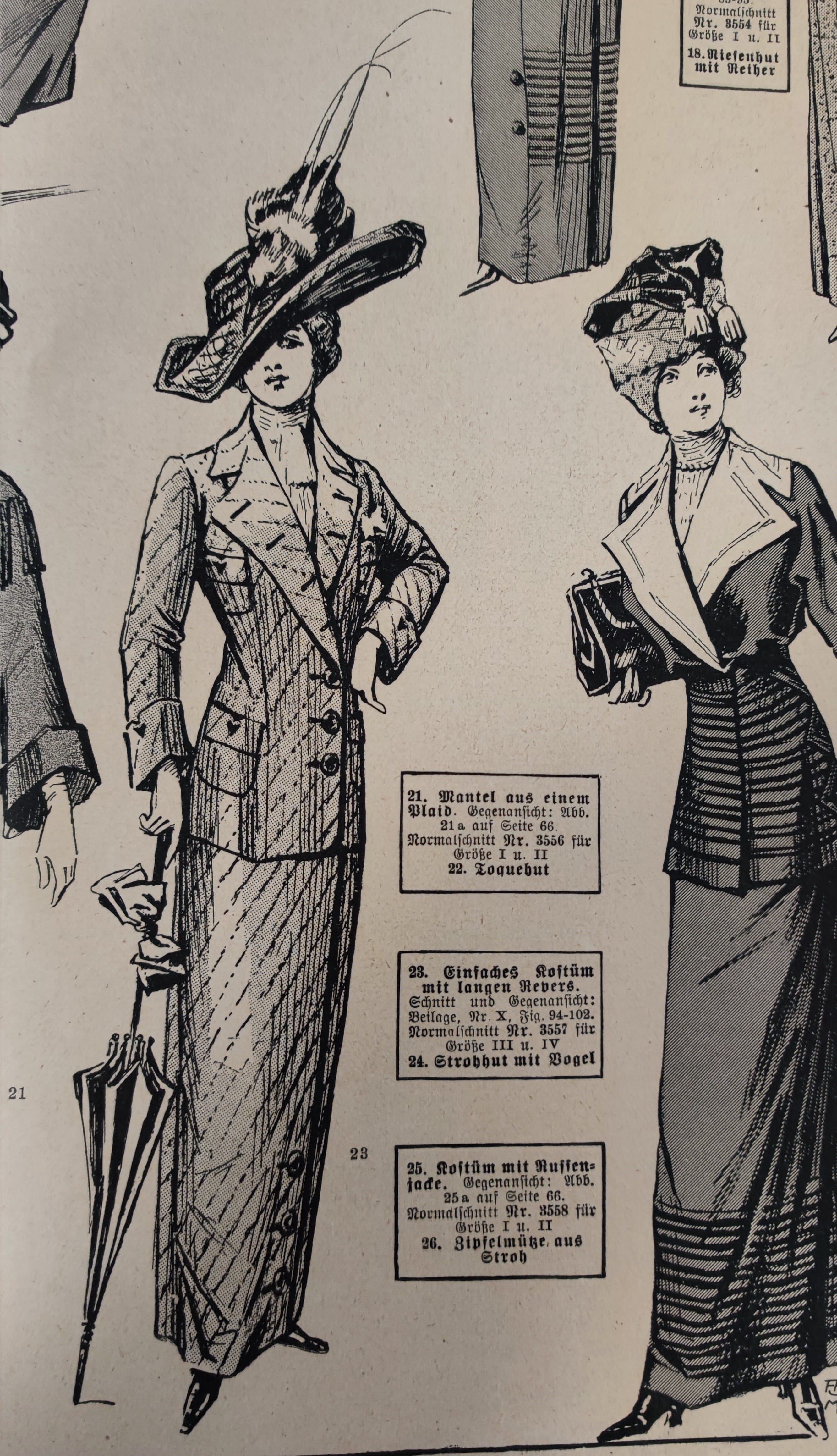
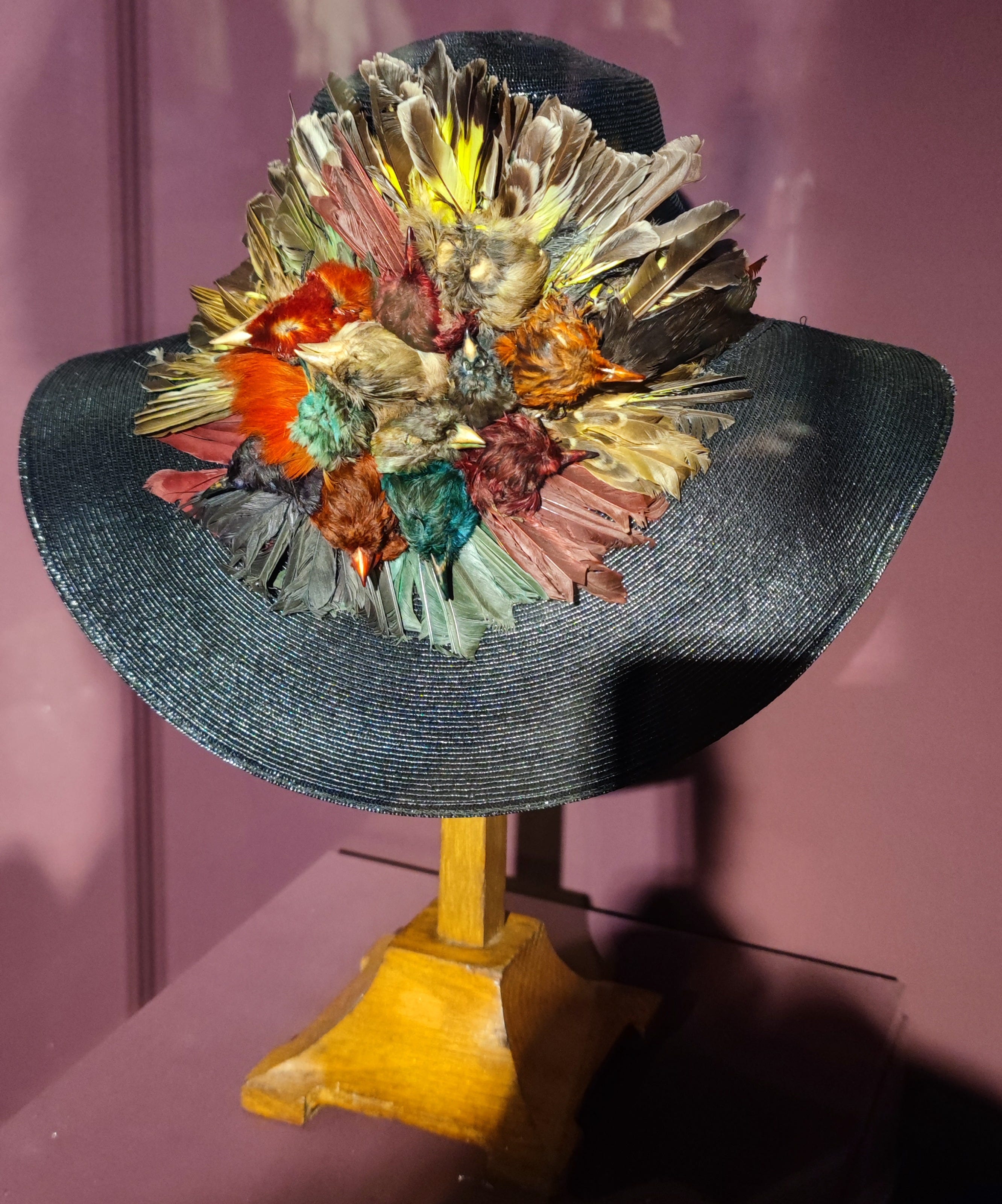
In the 1880s and 90s, women walked the streets of London, Paris, and New York wearing entire taxidermied graveyards on their heads. This was the era of “vestimentäre Tiere” (vestimentary animals)—animals worn not just as fur or leather, but as visible, whole creatures.
It wasn’t just feathers; it was whole bodies. Owls with glass eyes staring from velvet brims, terns with their wings splayed as if in flight, and the severed heads of herons pinned to silk.
This fashion trend became the perfect ammunition for those looking to halt the march of women’s rights. The argument was simple, brutal, and effective: How can a creature so irrational, so cruel, and so obsessed with vanity be trusted with the vote?
The Harpy and the Hysteric
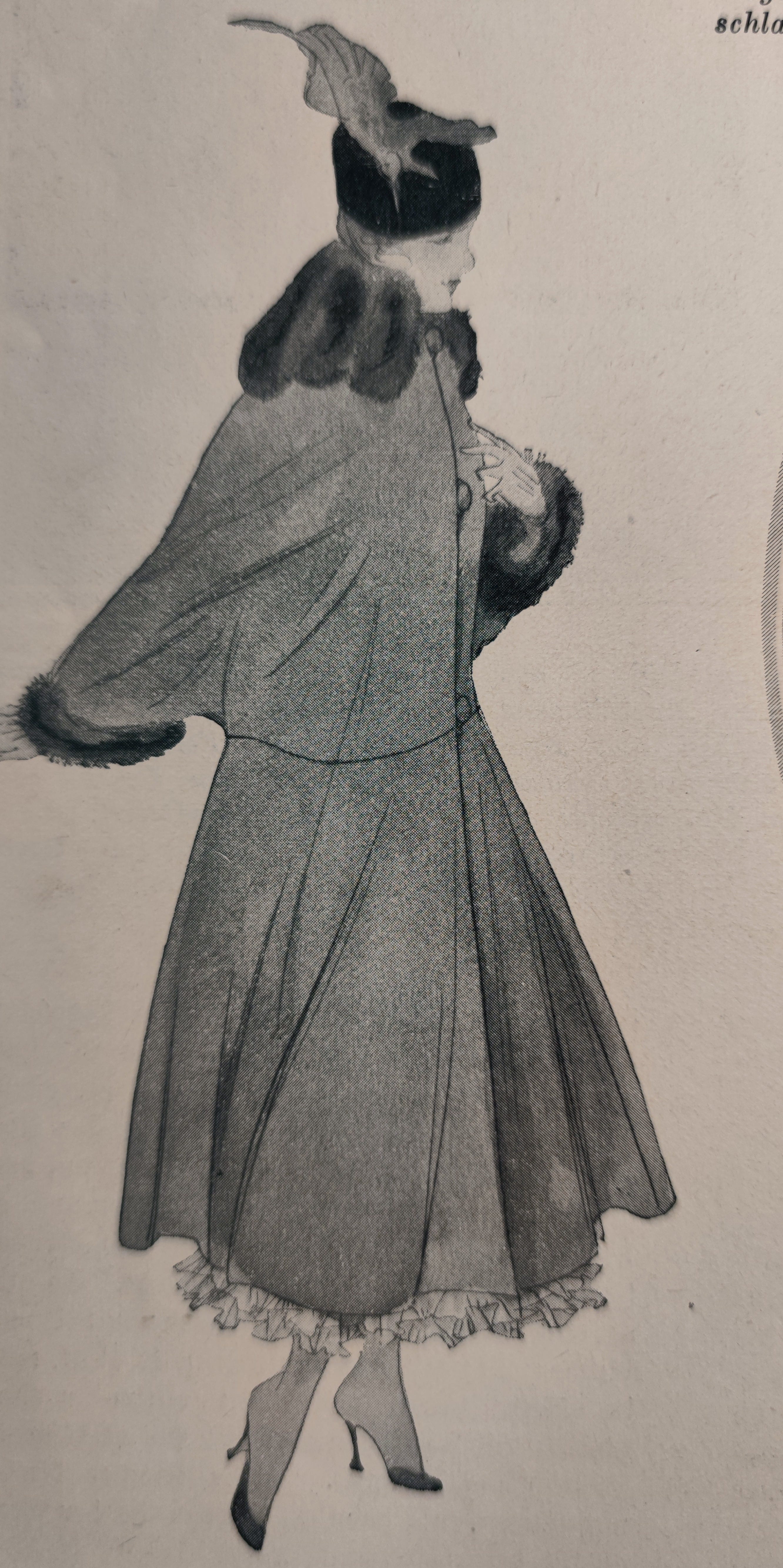
To the modern eye, wearing a dead bird looks grotesque. But in the 1880s, it was the height of chic. However, the backlash against this fashion was deeply gendered.
While men had hunted birds for sport and science for centuries without moral panic, women’s consumption of birds was framed as a moral failing. Male ornithologists and early conservationists (often men) painted the fashion-conscious woman as a “harpy”—a mythological monster, half-bird, half-woman, driven by bloodlust and vanity. Cartoons from the era showed women as terrifying hybrids, wearing the corpses of birds while hunting for more.
This imagery served a political purpose. It reinforced the idea that women were closer to “savages” than to civilized citizens. As one critic sneered, “Who would listen to a woman with a dead bird on her head?”. The bird became a symbol of the female mind: flighty, cruel, and ultimately empty.
The Suffragette’s Dilemma
For the women fighting for the vote, the bird-hat created an impossible double bind.
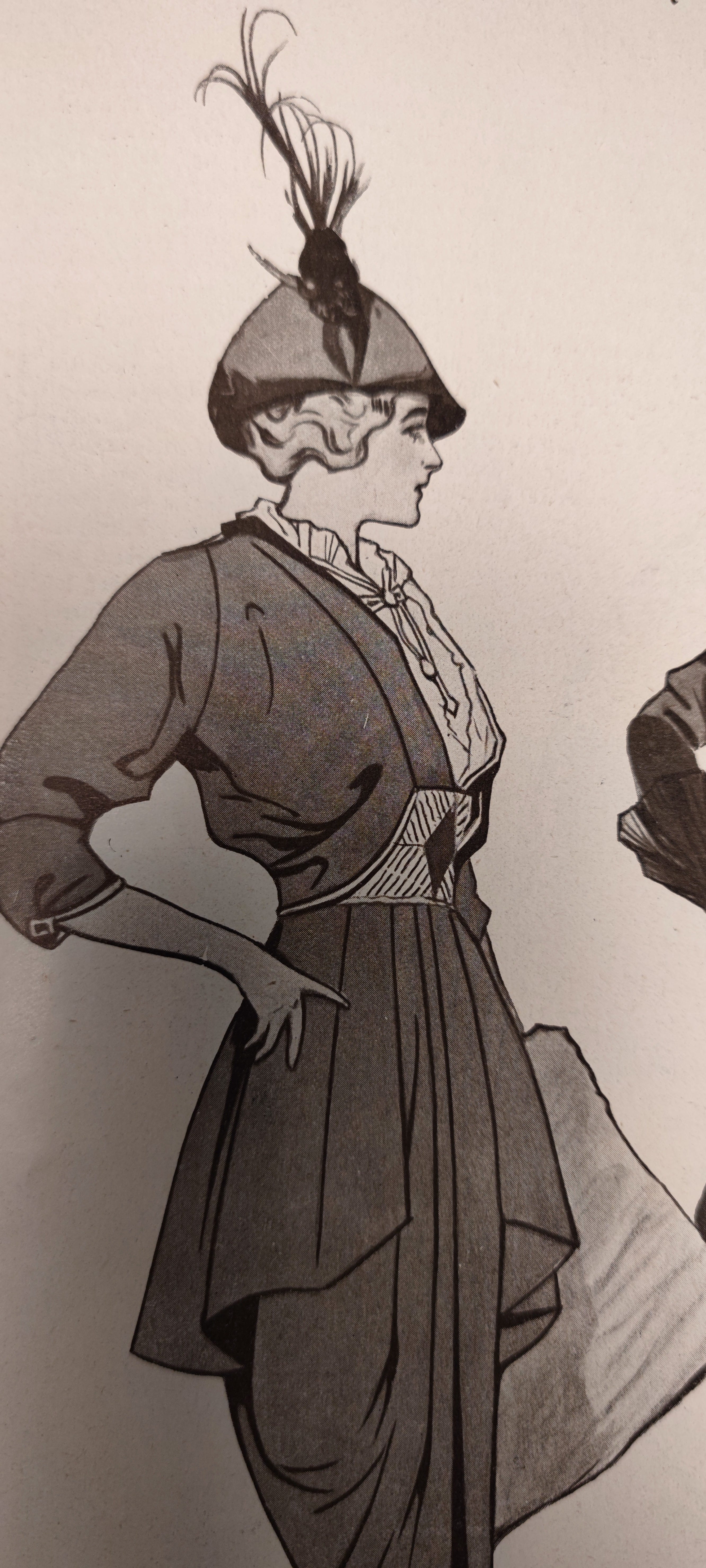
On one hand, suffragettes like Emmeline Pankhurst knew that to be taken seriously, they had to look the part. They needed to be elegant, feminine, and respectable to counter the caricature of the “manly,” unhinged activist. In that era, looking respectable meant wearing a hat—often one trimmed with feathers.
On the other hand, wearing those feathers made them easy targets for moralists. How could they claim to be the moral equals of men while participating in the “massacre” of nature?
The Irony of the “Bird Defenders”
Here is where the story gets even more poignant. The movement to save the birds—which eventually became the Royal Society for the Protection of Birds (RSPB)—was founded largely by women. Women like Etta Lemon and Eliza Phillips were tireless campaigners who fought the plumage trade with a ferocity that matched any suffragette.
Yet, many of these female conservationists were anti-suffrage.
Etta Lemon, the “Mother of the Birds,” believed in the “conservation of womanhood” just as much as the conservation of nature. To her, the loud, militant tactics of the suffragettes were as distasteful as the vulgarity of a bird-topped hat. She believed women should influence society through moral superiority and quiet work, not through the “masculine” realm of politics.
So, you had a tragic irony: Women campaigning against women.
The Suffragettes were fighting for political power but were trapped by the sartorial demands of their gender.
The Bird Protectors were fighting for ethical consumption but often used their platform to reinforce the idea that women (specifically the “wrong” kind of women) were irrational and needed to be controlled.
The “Woman Behind the Gun”
Across the Atlantic, a similar dynamic of “conservative conservationism” played out, often with even greater legislative teeth. While British activists struggled for decades to pass a Plumage Bill, the United States was quicker to act, passing the Lacey Act in 1900 and the Migratory Bird Treaty Act in 1918.
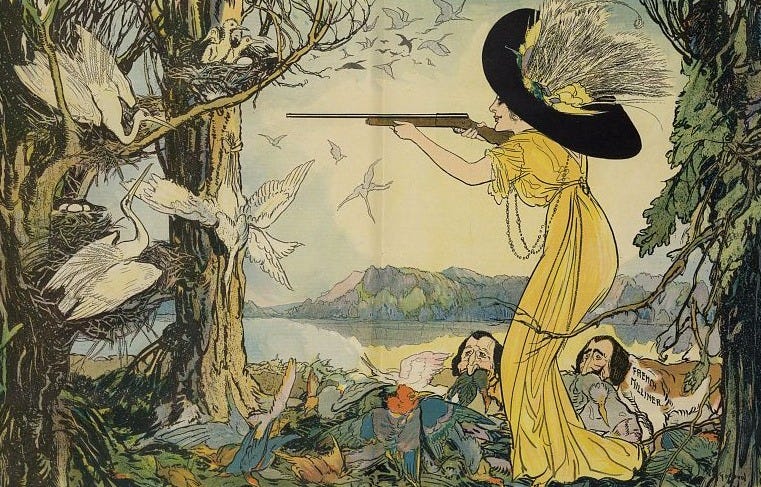
However, this progress relied heavily on shaming the female consumer. American propaganda, such as the famous Puck magazine caricature “The Woman Behind the Gun,” explicitly visualized the “fashionable” woman as the true killer, depicting her with a smoking shotgun over a pile of dead birds, while the male (French) hunters were merely her “jagdhounds” (hunting dogs). This rhetoric successfully framed the conservation battle not as a regulation of male-dominated commerce—which zoologist William T. Hornaday famously dubbed the “millinery octopus”—but as a moral crusade to curb female vanity.
Just as in the UK, the American movement saw wealthy women like Harriet Hemenway and Minna Hall leading the charge to police their peers, proving that the urge to “conserve” nature often went hand-in-hand with a conservative desire to regulate women’s behavior.
The Museum’s Blind Spot
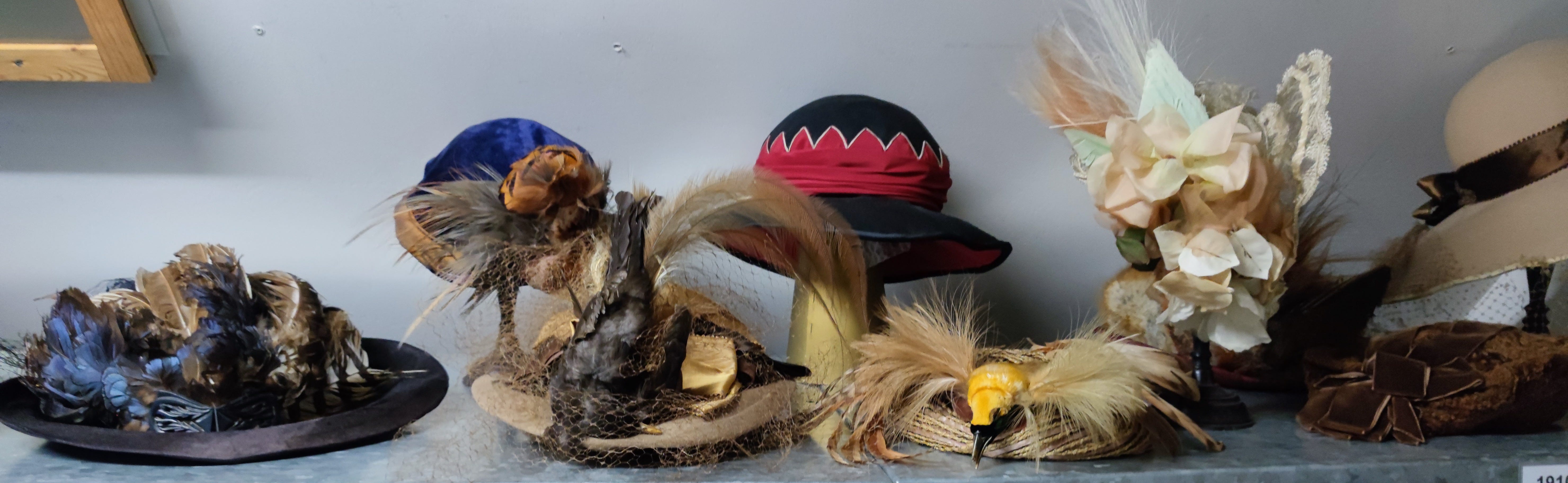
Even today, modern museums often unwittingly perpetuate this one-sided narrative. Recent exhibitions, such as Fashioned from Nature in London or Modische Raubzüge in Germany, frequently frame these garments solely as testaments to the climate crisis and historical animal cruelty, utilizing dramatic themes like “Luxury, Lust, and Suffering”. By focusing almost exclusively on the “massacre” driven by female consumption, these institutions risk repeating the historical misogyny that scapegoated women while obscuring the massive, male-dominated industrial networks that actually drove the trade. As a review of the V&A exhibition noted, the guilt for environmental destruction is often “uncritically shifted onto women”. When museums display posters with slogans like “It takes up to 40 dumb animals to make a fur coat, but only one to wear it” without critiquing the inherent sexism, they continue to weaponize conservation ethics against women, just as the conservative campaigners did a century ago.
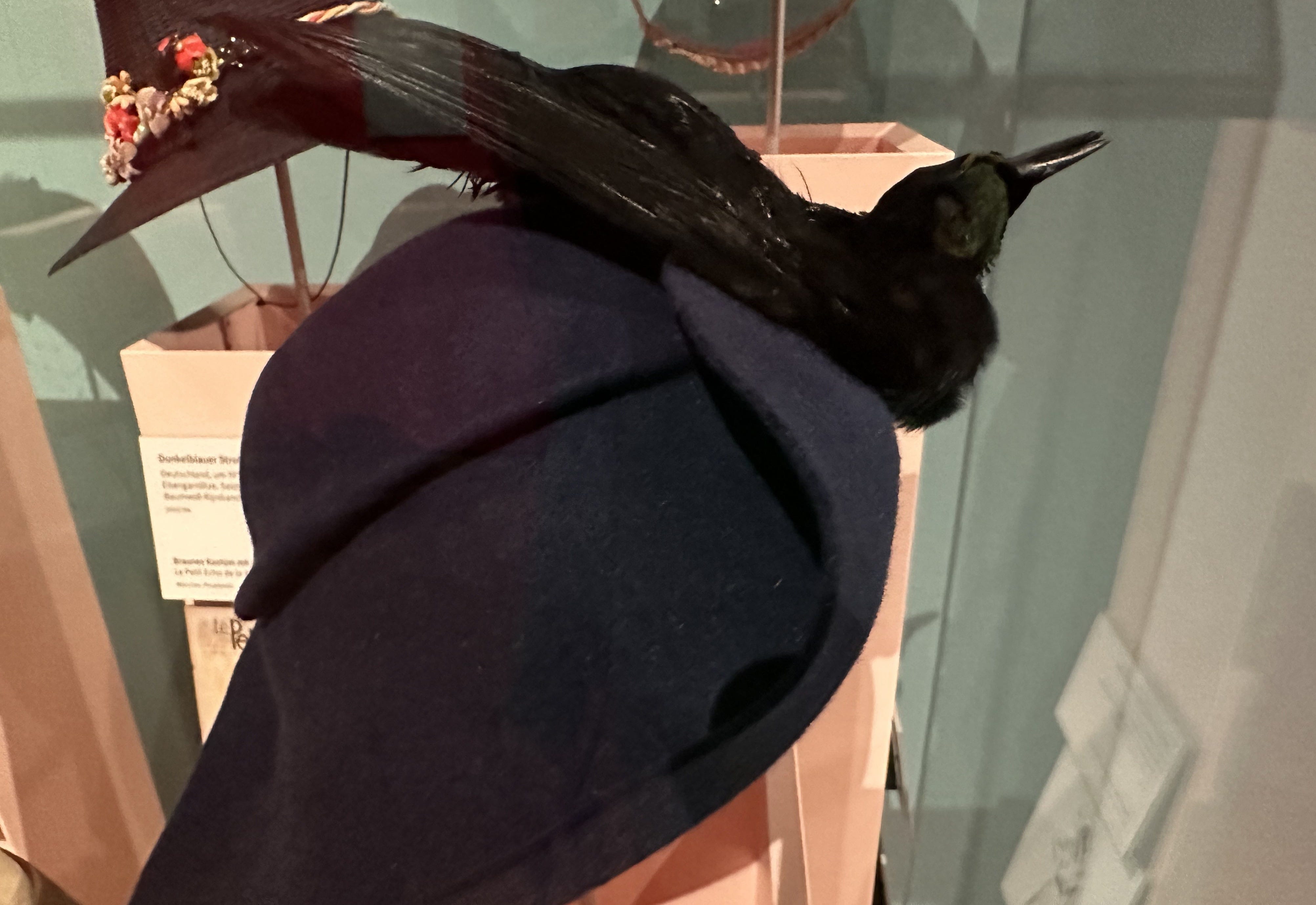
Tilting at windmills
We often look back at the plumage trade as a simple story of conservation triumph: the birds were saved, and the fashion died out. But we miss the political subtext that was just as potent as Trump’s windmills.
When we hear modern arguments against green energy that pivot entirely on the welfare of birds, we are hearing an echo of the 19th-century critics. Just as the Victorian moralizers didn’t really care about the birds—they cared about keeping women in their place—modern critics often care less about avian wildlife and more about stalling political change.
The bird on the hat was never just a piece of taxidermy. It was a mirror reflecting a society terrified of women’s power. It was a way to say: Look at her. She is cruel. She is silly. She is dangerous. She does not deserve a voice.
Whether it’s a wind turbine or a woman’s hat, the argument is rarely about the birds. It’s about who gets to hold the power.